



ISSUE 42 • JULY 27, 2020
Let’s continue the conversation about how to develop original thinkers for an uncertain world, an XQ Learner Goal, as we continue drafting school reopening plans.
We’ve spent the last few weeks talking about problems in our communities and our larger society. Now, it’s time to talk about solutions and how to achieve them. Let’s dive in…
1. Rethink We’re Lucky to Have a Chance for a “Do-Over”

We need to stop racing to get things “back to normal.”
Why it matters: What we defined as “normal” before the pandemic means keeping marginalized students marginalized. School reopening plans are our chance to get it right—to truly ensure equity for all students. The National Education Civil Rights Alliance provides more insight.
Recent data tells us that “normal” looks like:
What our schools CAN look like:
How to make this “do-over” a reality:
“We need to fight to ensure COVID-induced state and local budget woes do not result in state and local education cuts—especially for the most marginalized students.”
2. Reflect Really Think About What Can We Do Differently
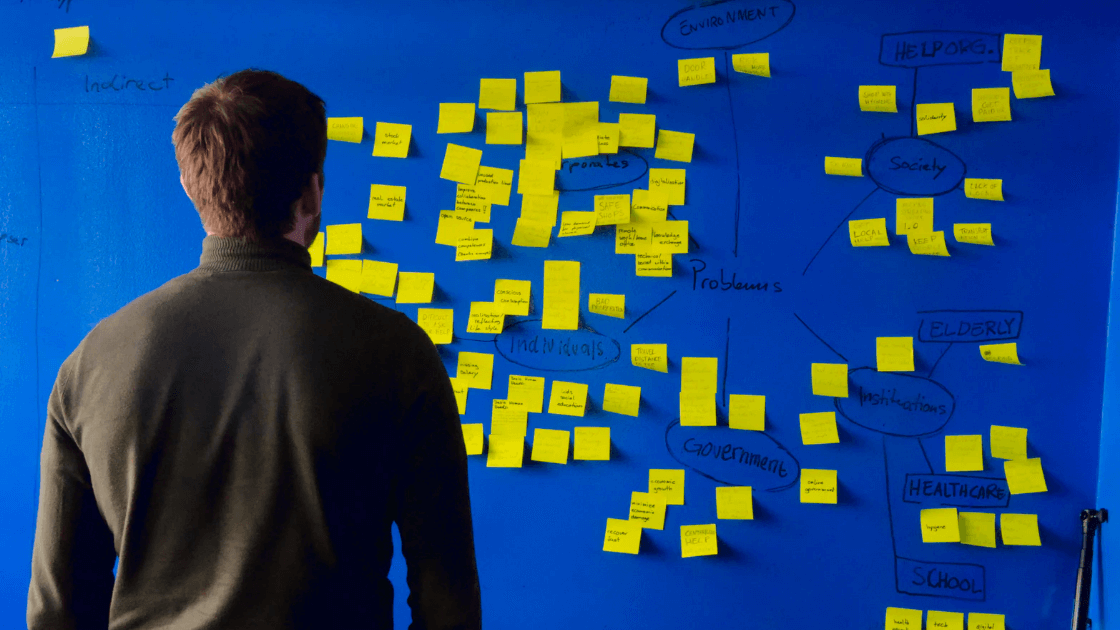
It’s important to acknowledge that we all played a role in perpetuating systemic inequities in our education system.
Why it matters: We all must play a role in dismantling systemic inequities. The Educating All Learners Alliance suggests beginning this work by understanding that we must be willing to change and grow in service to our students.
A few prompts to get you started:
Some guiding questions to help move your work forward:
3. Follow 10 Student-Centered Principles for Reopening
It’s crucial that students have a voice in the decision-making processes that inform our school reopening plans.
Why it matters: How can we create more equitable schools by making decisions on behalf of our students without fully understanding what they need? The best way to prevent sidelining student voices—especially marginalized voices—is to include them directly.
That’s why youth-driven organizations came together to create 10 guiding principles for taking action to drive student-centric change:
4. Explore There Are Multiple Solutions for the Problem

Right now, educators are tasked with solving an impossible problem—ensuring students are safe and receive high-quality learning opportunities with extremely limited budgets and facilities.
Why it matters: There is no “best way” to reopen schools. But what we do know is that what we were doing before wasn’t working. In the words of NGLC’s Andy Calkins, “Desperate times call for different methods.” Examine examples of schools doing exactly that.
Miami-Dade County Public Schools is giving families a choice between:
Vista Unified School District divided teachers into teams to develop new approaches to:
5. Commit The Future of Our Schools Is What We Make It
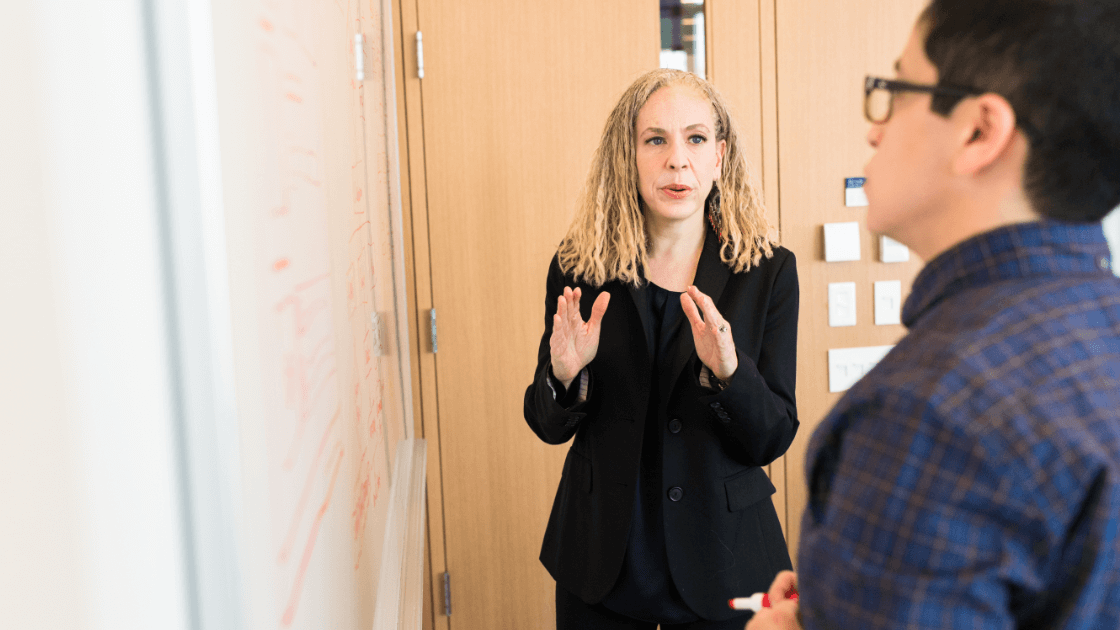
Why can’t schools be spaces of justice, high expectations, creativity, and more when they reopen?
Why it matters: Schools can be all of the above. By imagining what’s possible, we can craft a plan to achieve that vision. Gabrielle Rappolt-Schlichtmann, Temple Lovelace, Lindsay Kruse and Eric Tucker recommend practicing 3 inclusive, anti-racist commitments to help educators turn this vision into a reality.
Commit to anti-racist teaching:
Address the root causes of system failures:
Design for all students:
XQ X-tra Do Students Have a Civil Right to High-Quality Education?
Watch XQ’s Russlynn Ali and Civil Rights icons Danny Glover, Bob Moses, Mark Rosenbaum, BJ Walker, and youth activist Jamarria Hall in this on-demand town hall discussion on quality education as a constitutional right.
Photo by Kid Circus on Unsplash


